Why Your Basement Smells Musty: A Winnipeg Homeowner Checklist
By Southeast Winnipeg Directory editorial team · Last reviewed November 3, 2026
Quick answer
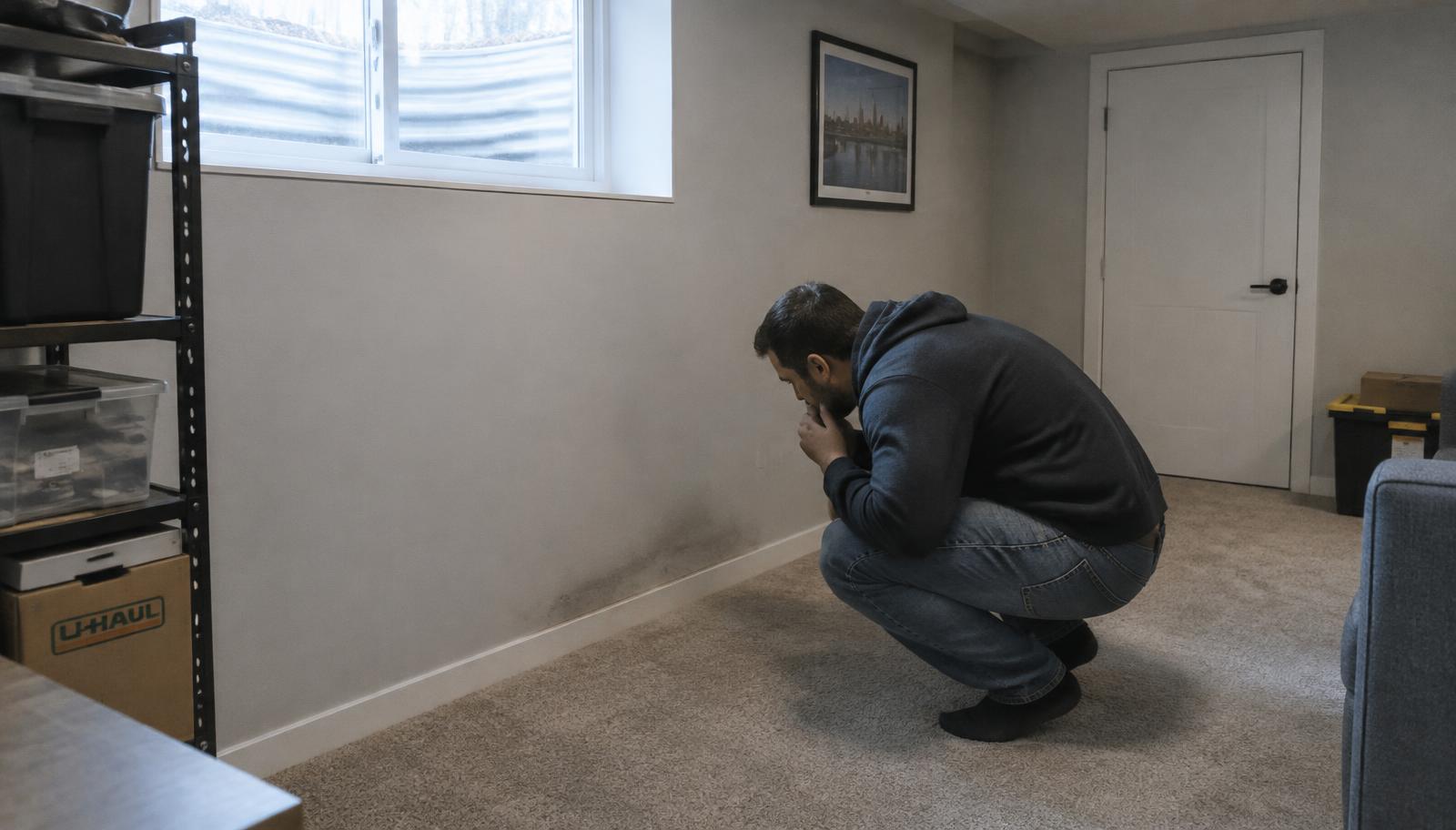
A musty basement deserves a closer look before another product goes into the shopping cart. Start with where the smell is strongest, what feels damp and whether it changes after rain, snowmelt or household activities. The smell alone cannot tell you the cause.
This checklist helps you organize those observations and decide what to do next. It is homeowner education, not a building inspection or a diagnosis.
First, separate an emergency from a dampness problem
⚠ Safety first
If a carbon monoxide alarm sounds or you suspect CO exposure, leave the building and call 911 from outside. Do not stay inside investigating a smell.
Winnipeg's CO guidance explains the urgent response.
For a non-emergency musty smell, start with the checks below. Stay out of flooded or otherwise unsafe areas and get qualified help.
1. Write down when and where you notice it
Before changing anything, make a short note:
- Which room or corner has the strongest smell?
- Is it near stored belongings, a window, laundry equipment or the sump area?
- Did it become noticeable after rain or melting snow?
- Does it appear after laundry or when the heating or ventilation starts?
- Is there a visible damp patch, stain or recurring condensation?
Tip
Keep a dated note on your phone: room, smell strength, weather, and what was running. It makes a service visit far more useful.
These observations are clues to discuss with a professional, not proof of a particular fault. A simple dated note is more useful than trying to remember whether things were worse last weekend.
2. Look at accessible surfaces and belongings
Check areas you can see safely: around plumbing, windows, exposed walls and stored items. Look for new staining, dampness or damaged materials. Do not open walls or disturb suspect material to investigate a smell.
Health Canada's healthy-home guide identifies visible staining, excess moisture and earthy odours as reasons to investigate. It also stresses fixing the underlying moisture problem so mould does not return.
If you want a non-invasive way to compare drywall near the smell with a dry wall elsewhere, a pinless moisture meter reads surface moisture without poking holes. Treat a high reading as a reason to call a professional, not a diagnosis.
If the smell is strong but the source is not visible, stop short of exploratory demolition. Health Canada's more detailed moisture and mould guidance recommends considering professional help for suspected hidden mould.
3. Measure humidity without treating it as a diagnosis
A humidity meter can add one useful piece of information. If you already have a suitable meter, start with it. Follow its instructions and record readings alongside your observations.
Health Canada's indoor air-quality guidance gives a general indoor relative humidity range of 30-50%. A reading does not establish whether there is a leak, hidden mould or a drainage problem.
Our Winnipeg basement humidity guide explains measurement in more detail.
4. Understand what water in a sump pit means
A sump pit collects water from the drainage system around the foundation. Some water can remain in it. Water inside the pit alone does not show that the basement has a drainage defect.
The City of Winnipeg's sump-system guidance notes that water left standing in the pit can develop a musty smell. It provides maintenance information and advises following the system's instructions or asking a plumber about its operation.
If water is overflowing, appearing outside the pit or the pump is not controlling the level, arrange qualified help. Do not treat a dehumidifier as a repair for a pump or drainage fault.
5. Consider Winnipeg weather and drainage
Rain and snowmelt are useful things to include in your observation log. The City's basement and overland flooding information explains that excess water around a home can enter through outside walls, while sewer backups are a separate problem.
From a safe place, note whether downspouts discharge close to the foundation, water collects beside the house or the ground appears to direct runoff toward it. If a downspout empties right beside the wall, an extension that carries roof water farther from the house is a simple, low-cost step many homeowners take while they arrange any larger drainage advice.
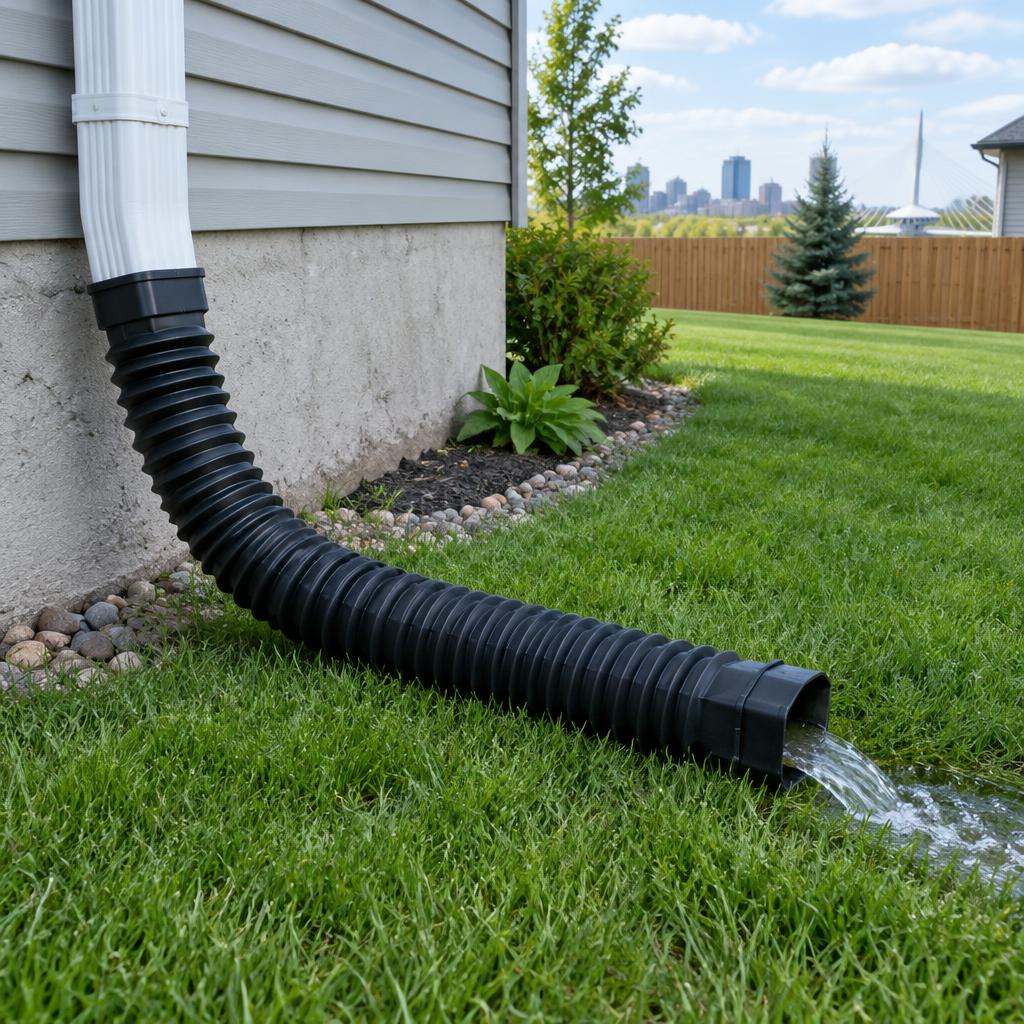
Share those observations with the appropriate professional rather than assuming the smell proves a foundation problem.
6. Know when to get help
Use Health Canada's assessment guidance when deciding how to respond. Professional assessment is especially important for recurring mould, suspected hidden contamination, large affected areas or contaminated floodwater.
For water-entry or pump concerns, a qualified plumbing or building professional can help identify the relevant system. For health concerns, speak with a healthcare professional. If you rent, tell the property owner about moisture or mould concerns.
This checklist is not a mould-cleanup procedure. Avoid covering up a recurring problem with a fresh coat of paint, fragrance or a product promising to solve every basement odour.
What to have ready for a service visit
Bring your dates, safely taken photographs, the locations affected and any humidity readings. Note previous repairs and whether the issue returned. Ask the professional to explain the suspected source, what evidence supports it and the proposed next step before agreeing to work.
An air-humidity meter is also separate from a radon test. Radon is odourless; use Health Canada's current radon-testing guidance rather than judging it by a basement smell.
The goal is to turn “something smells off downstairs” into a clear set of observations and an appropriate response. Buying equipment can wait until you know what job it needs to do.
Related resources
This article contains no paid business sponsorship. It includes two optional Amazon affiliate product suggestions; as an Amazon Associate we earn from qualifying purchases, at no extra cost to you. It does not recommend a particular contractor.
Related guides
Need local help? Browse the Southeast Winnipeg directory. Listings are not endorsements.
Sources
- Health Canada: moisture and mould
- Health Canada: healthy home guide
- Health Canada: indoor air quality
- City of Winnipeg: sump systems
- City of Winnipeg: basement and overland flooding
- City of Winnipeg: carbon monoxide
- Health Canada: radon measurement guide
General homeowner education, not a professional inspection or medical advice. This guide includes an affiliate link. As an Amazon Associate I earn from qualifying purchases. First published November 3, 2026.